

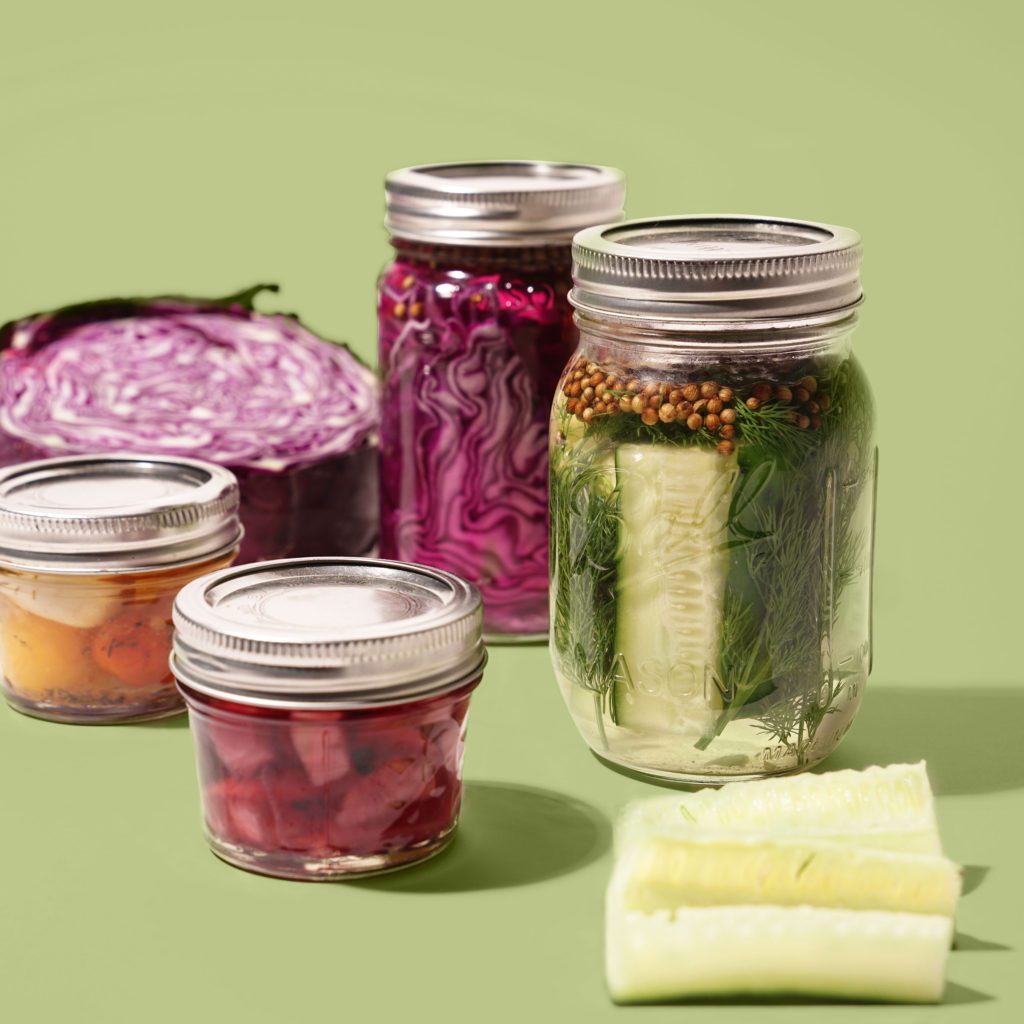
Pickles are crunchy, tangy, craveable—and surprisingly packed with benefits. From vitamins and electrolytes to gut-friendly fermented varieties, the benefits of pickles go far beyond adding a satisfying crunch to sandwiches and burgers. And then there’s the unsung hero of the pickle jar: pickle juice.

In this all-in-one guide, we’re diving deep into everything pickles and pickle juice—how to make your own pickles at home, what to do with leftover pickle juice, and why this salty liquid deserves way more credit than it gets.
What Is Pickle Juice?
Pickle juice—aka pickle brine—is a salty, acidic liquid typically made from vinegar, water, salt, and spices like dill, garlic, or peppercorns. It’s what gives dill pickles their signature pucker and preserves vegetables like cucumbers, carrots, radishes, and more.
You can make your own pickle juice recipe at home (here’s how to quick pickle leftover veggies) or save the juice from a jar of store-bought pickles to repurpose later.
The Benefits of Pickles: What’s Actually in That Jar?
The benefits of pickles might surprise you. While they’re best known for their bold, tangy flavor, pickles can also provide nutrients and functional benefits that make them a delicious addition to a balanced diet.
One of the biggest perks? Pickles are naturally low in calories, making them an easy way to add flavor and crunch to meals or snacks without much added energy. Pair a few pickle spears with sandwiches, wraps, burgers, or one of your favorite healthy snacks for a satisfying bite. They’re also a great addition to charcuterie boards, grain bowls, and lunchboxes.
Depending on the vegetables used, pickles may also contain antioxidants, which help protect plant compounds throughout the pickling process. Cucumbers, carrots, beets, onions, and other pickled vegetables each contribute their own nutritional profile.
If you’re choosing naturally fermented pickles, they may contain live probiotics that support a healthy gut microbiome—as long as they haven’t been pasteurized.
Finally, both pickles and pickle juice can help replenish electrolytes, particularly sodium, after sweating during exercise or spending time outdoors in the heat.
Fermented vs. Vinegar Pickles: Do the Benefits Differ?
Not all pickles are made the same—and the type of pickle you choose can affect some of the nutritional benefits.
Fermented pickles are made using a saltwater brine and naturally occurring bacteria. When left unpasteurized, they contain live cultures that may provide probiotic benefits and support gut health.
Vinegar pickles, on the other hand, are preserved with vinegar. Most commercially produced vinegar pickles are pasteurized, which means they typically don’t contain active probiotic cultures. They still deliver plenty of tangy flavor along with antioxidants, vitamins, and electrolytes from the vegetables themselves.
Wondering how to tell the difference? Fermented pickles are usually found in the refrigerated section and often include phrases like “naturally fermented” or “live cultures” on the label. You may even notice a slightly cloudy brine or tiny bubbles—both signs of active fermentation.
Whether you prefer fermented or vinegar pickles, both deserve a spot in your refrigerator. At Misfits Market, we love quality ingredients that help reduce food waste, whether you’re stocking up on your favorite jar of pickles or making your own quick pickles with leftover produce at home. Our favorite? McClure’s Whole Garlic Dill Pickles, whose bold garlic and dill flavor makes them perfect for charcuterie boards, burgers, sandwiches, or enjoying straight from the jar.
Is Pickle Juice Good for Gut Health?
Is pickle juice good for gut health? Yes—and no. While it’s no magic potion, drinking pickle juice can offer some surprising benefits:
- Electrolytes: Thanks to the sodium and vinegar, it can help replenish electrolytes after a sweaty workout (hello, pickle juice for cramps).
- Digestion: Some studies suggest vinegar-based brine may aid digestion.
- Craving something salty? Your body might be telling you it needs sodium—aka, the real reason you’re craving pickle juice.
So is pickle juice healthy? In moderation, yes. Just don’t swap it for water. (And definitely consult your doctor before taking a daily pickle juice shot.)
So… What Can You Do with Pickle Juice?
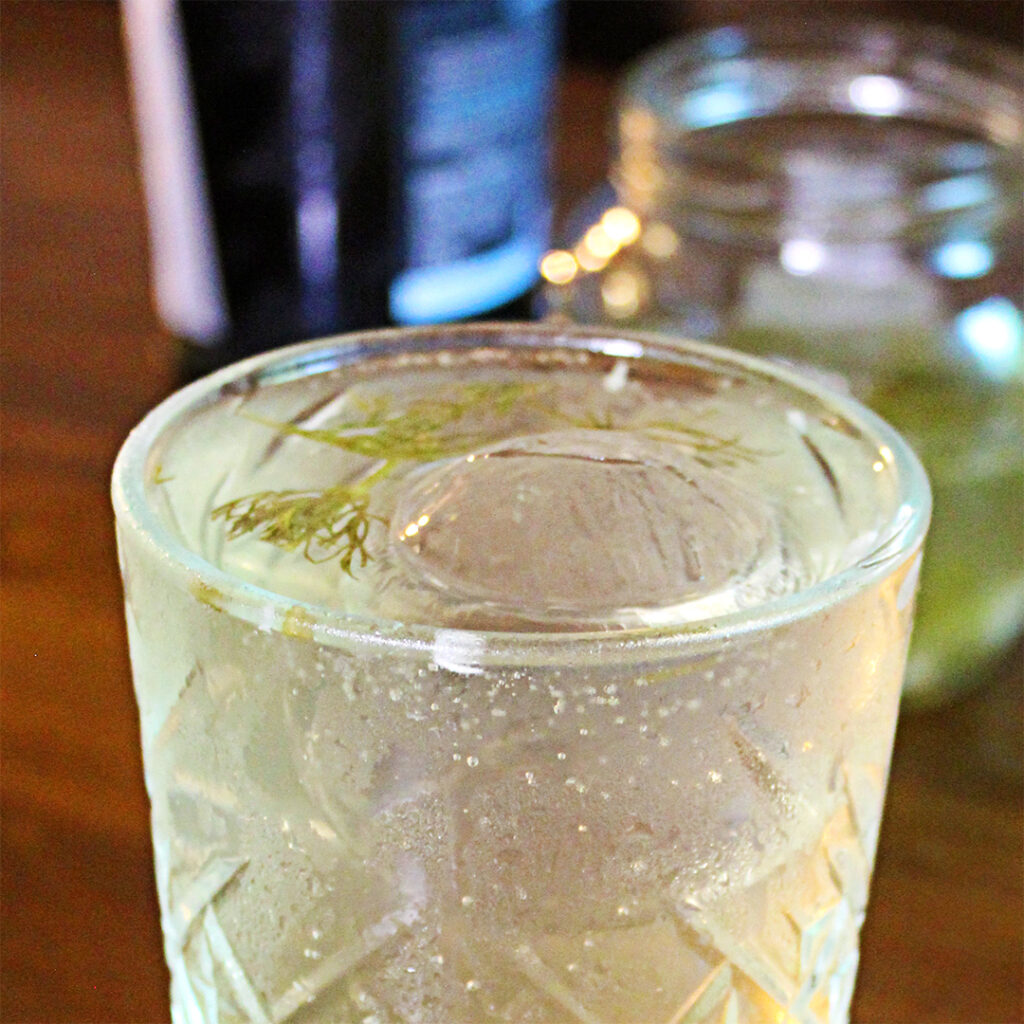
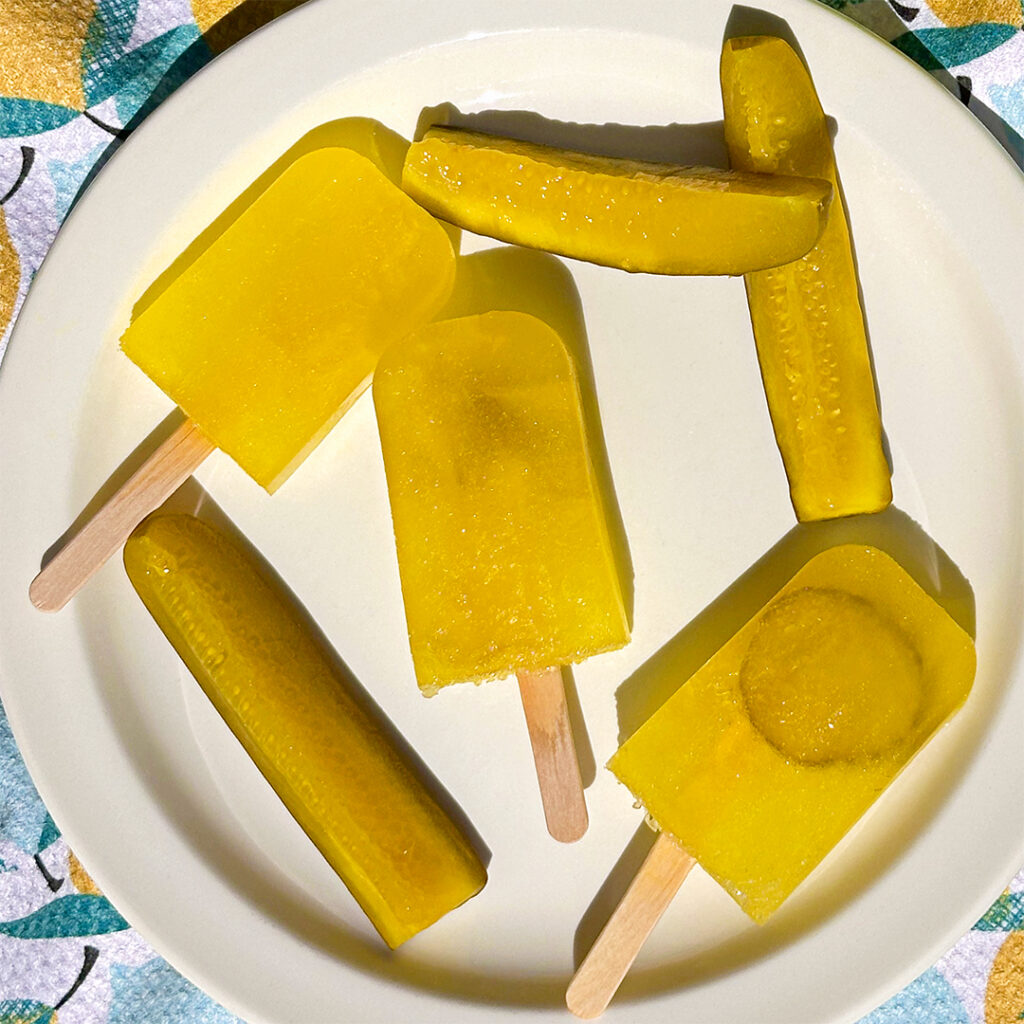
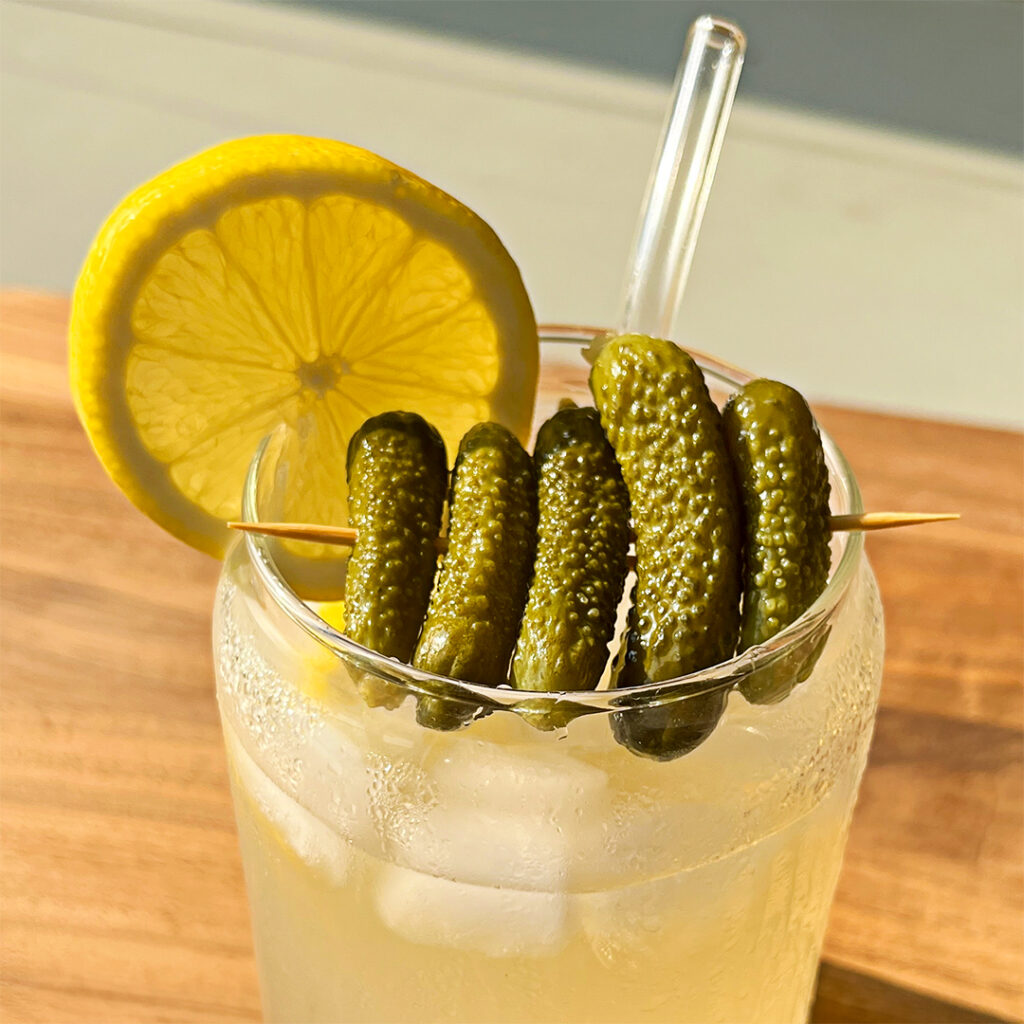
Don’t toss that jar! Here are creative, low-waste ways to use up leftover dill pickle juice:
- 🧃 Make a pickle juice drink or mocktail. Try this refreshing 3-Ingredient Pickle Juice Spritz
- 🍋 Stir it into lemonade. Yup, it works. Try Pickle Juice Lemonade
- 🍦 Freeze it into popsicles. Tart, tangy, and fun—our Pickle Juice Popsicles are a no-waste snack
- 🌿 Blend it into sauces. The salty brine adds a zingy punch to this Pickle Juice-Tahini Dressing
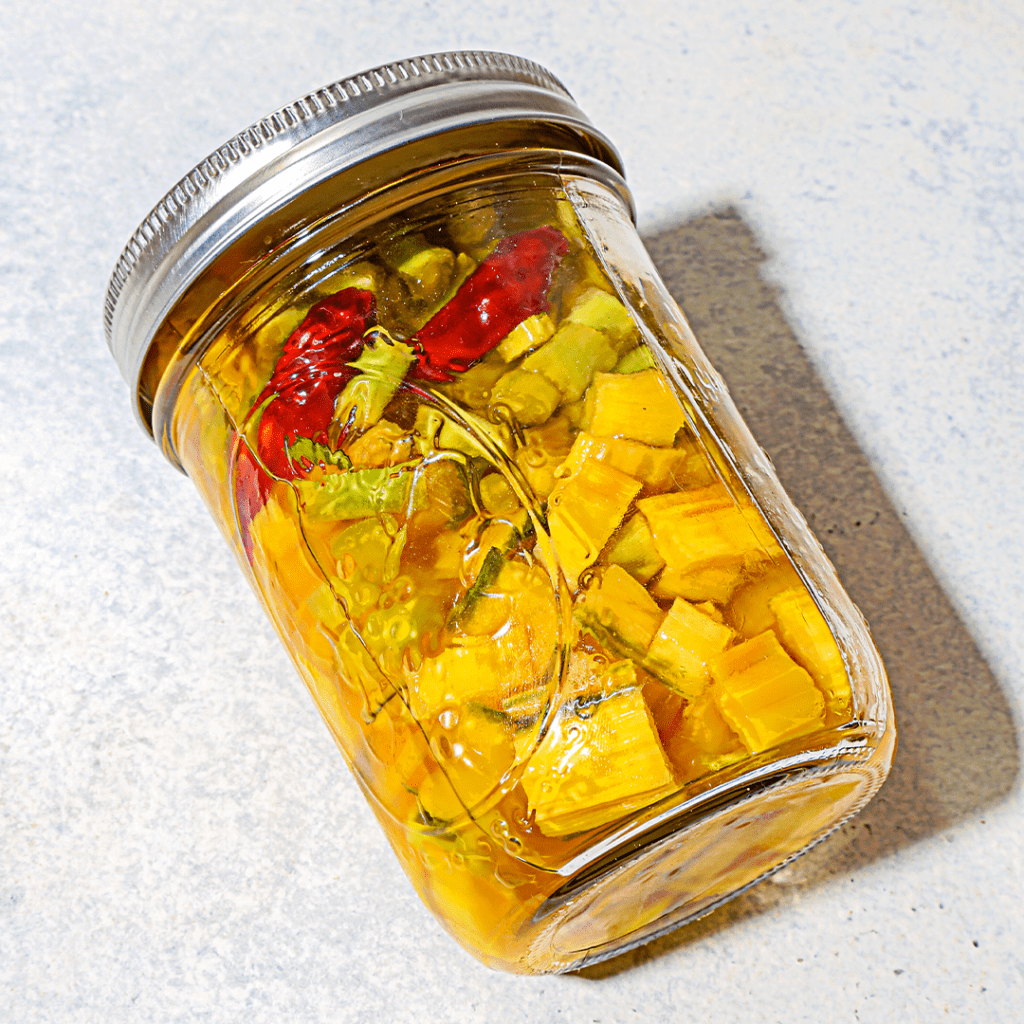
- 🫙 Pickle more things! Yes, you can reuse your pickle brine to pickle more veggies like carrots, garlic, jalapeños—even Swiss chard stems and watermelon rinds
Pickles = Veggies (That Last Way Longer)
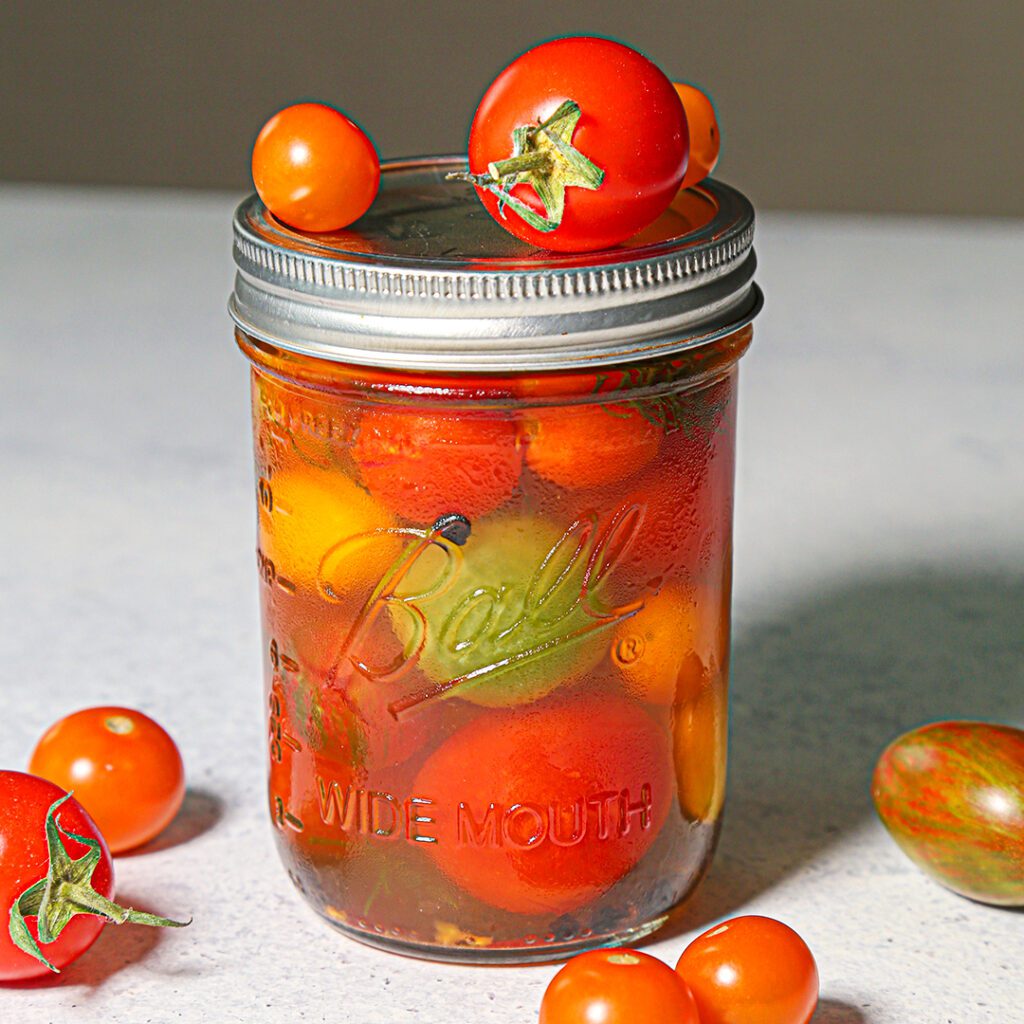
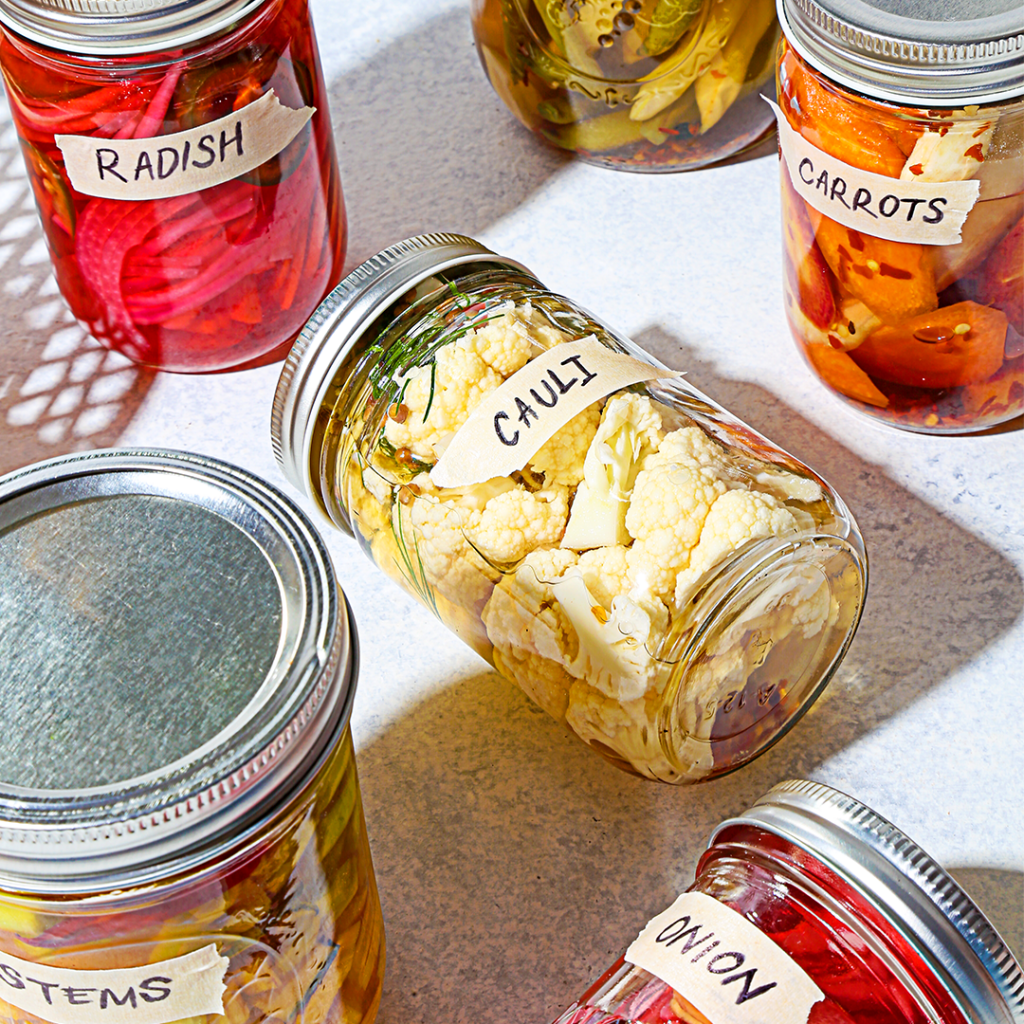
If you’ve ever wondered, is a pickle a vegetable?—the answer is yes. Most pickles start out as veggies like cucumbers, beets, tomatoes, or onions, and get transformed via pickling, an age-old preservation method using vinegar or fermentation.
Quick pickling is a fantastic way to reduce food waste at home, especially for produce that’s on its last legs. Here’s how to start pickling your own leftover veggies, no canning skills required.
Pickle Recipes You’ll Want to Try
If you’re looking for a place to start, we’ve rounded up our favorite pickle recipes and pickle juice recipes:
- 🧊 Easy Pickle Juice Popsicles
- 🍸 Pickle Juice Spritz
- 🥄 Pickle Juice-Tahini Dressing
- 🫙 How to Pickle Leftover Produce with Brine
- 🍉 How to Quick Pickle Watermelon Rinds
- 🌈 Quick Pickled Rainbow Swiss Chard Stems
- 🌽 Dill Pickle Salsa: The Ultimate No-Waste Recipe
TL;DR: Don’t Sleep on the Pickle Jar
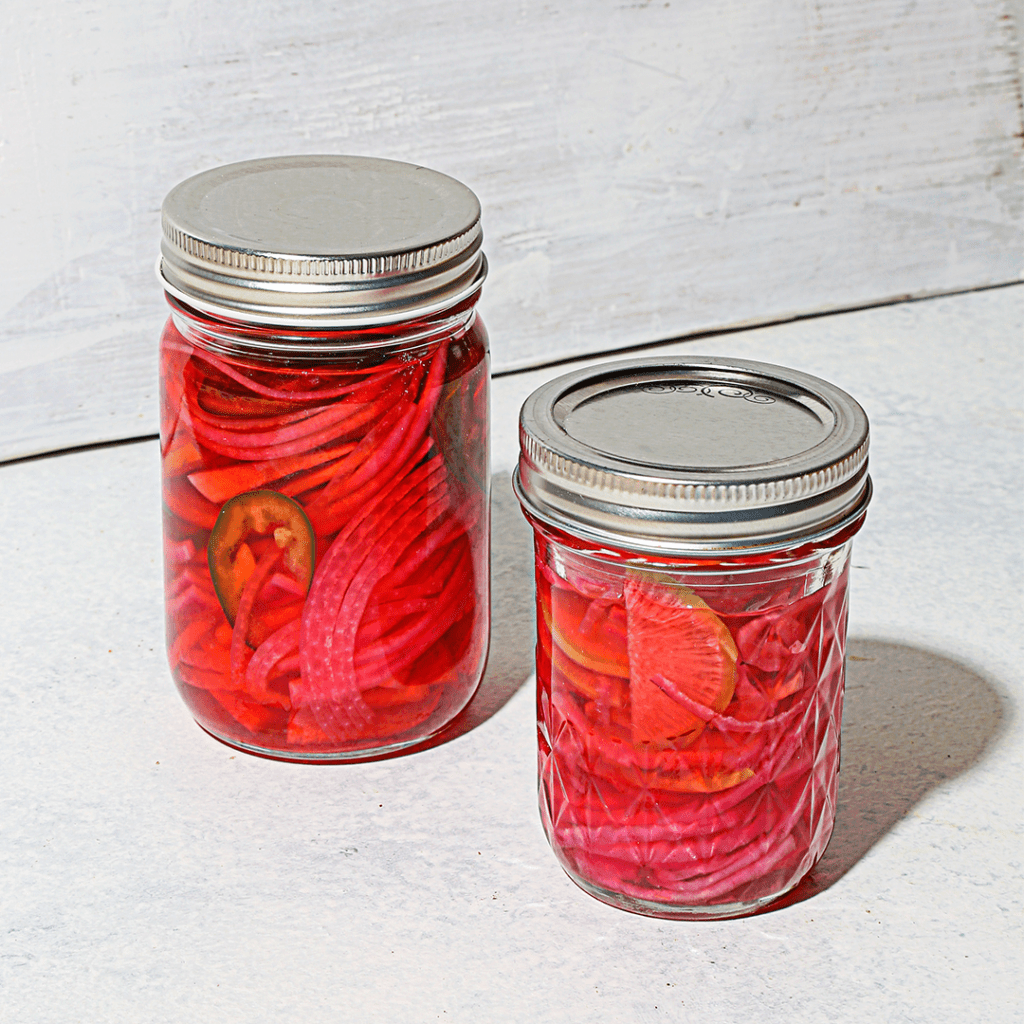
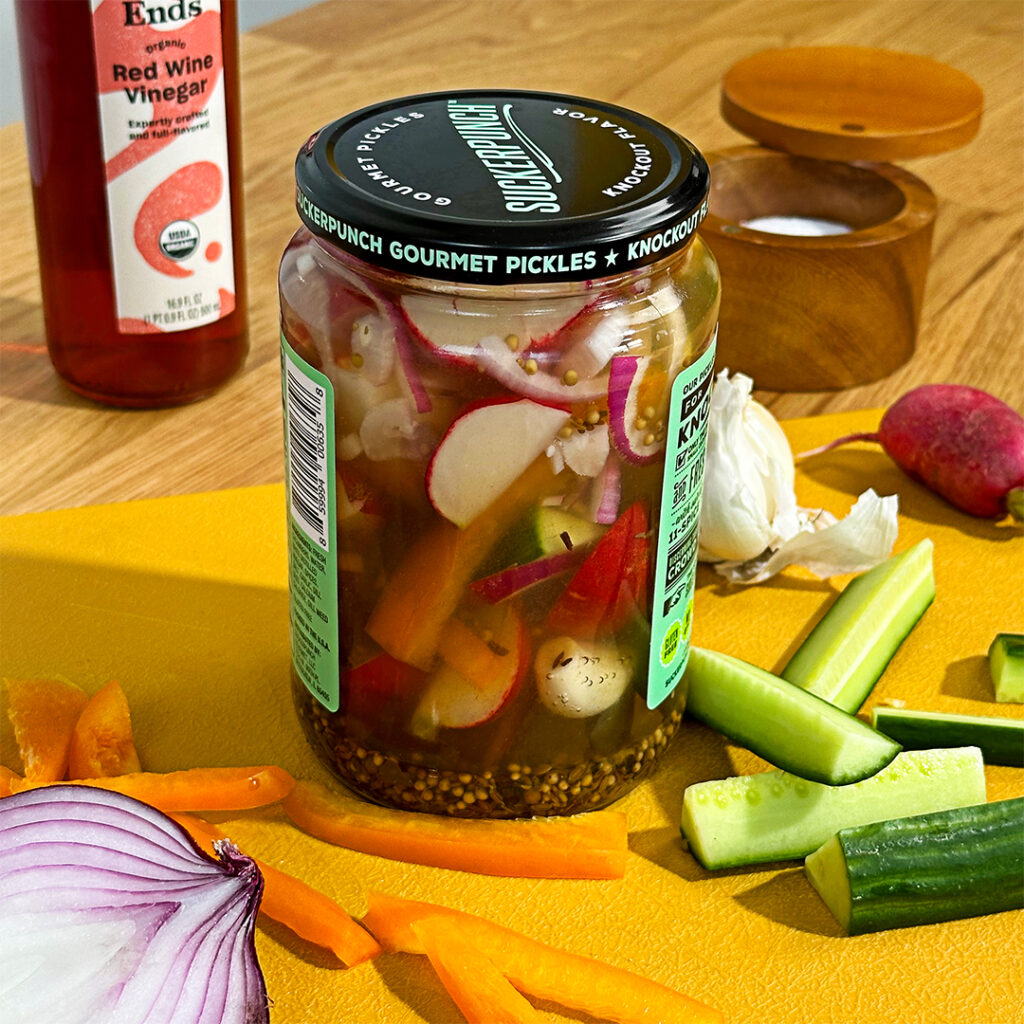
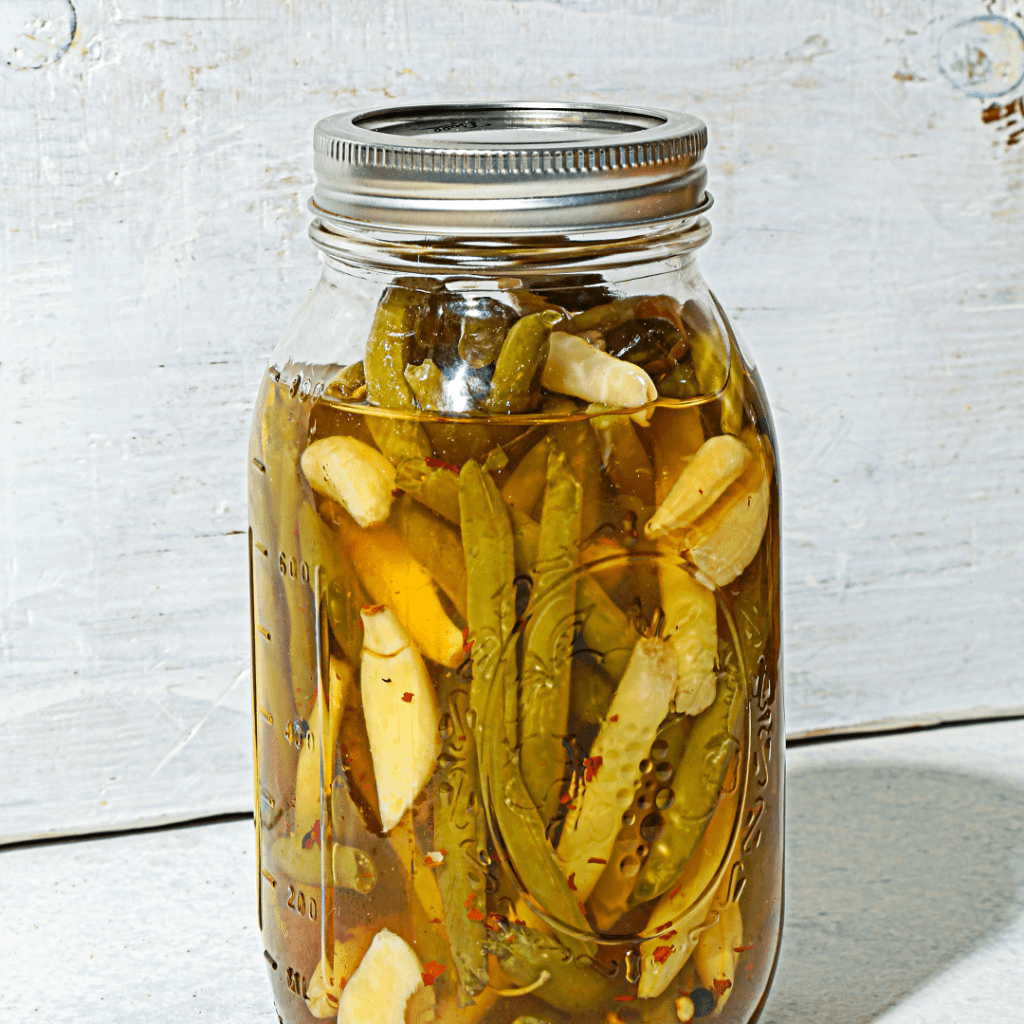
From tangy toppings to cocktails and marinades, pickle juice uses are endless. So next time you find yourself holding an empty jar of dill pickles, remember: the brine is just the beginning. It’s one of the easiest ways to extend the life of your food, try something new in the kitchen, and reduce food waste at home.
Craving something sour? You’re not alone. There’s a whole world of pickle juice recipes, pickle hacks, and pickled goodness waiting.
FAQs
What are the health benefits of pickles and pickle juice?
The benefits of pickles include being low in calories, providing antioxidants, vitamins like A and K, potassium, and electrolytes. Naturally fermented pickles may also contain probiotics that support gut health. Pickle juice can help replenish electrolytes after exercise and may support digestion, depending on the type.
How do the benefits of pickles support digestion and gut health?
Naturally fermented pickles and their brine may contain live probiotic cultures that help support a healthy gut microbiome. Vinegar-based pickles don’t typically contain probiotics, but the vinegar itself may support healthy digestion.
Are the benefits of pickles different between fermented and vinegar pickles?
Yes. Fermented pickles may provide probiotics when they’re unpasteurized, while vinegar pickles generally do not. Both still offer antioxidants, vitamins, electrolytes, and plenty of tangy flavor.
What is the healthiest pickle to eat?
If you’re looking for probiotic benefits, choose naturally fermented, unpasteurized pickles labeled with phrases like “live cultures” or “naturally fermented.” Otherwise, any pickle made with quality ingredients can be a flavorful addition to a balanced diet.