

Anyone who’s taken a biology class knows that plants need sunlight, nutrients, and water to grow. So what’s the deal with “dry farming”? And is dry farmed produce really more flavorful? We’ll get into all of that (and share our favorite dry-farmed vegetable you can shop at Misfits Market right now!) below.
Learn more about Misfits Market
What is dry farming?
Dry farming, or dryland farming, is an approach to growing vegetables without external irrigation. To get nerdy about it, it’s when farmers grow vegetables during a dry growing season using rain and the residual soil moisture leftover from a wet offseason. Dry farming works best in regions that get between 10 to 30 inches of annual precipitation, thanks to a little something called soil moisture retention.
California’s Central Coast farmers began marketing “dry farmed” tomatoes in the ’80s, but the practice has long been used in the Southwest and Pacific Northwest U.S., as well as the Mediterranean, Central Asia, and the Sahel region in Africa.
In northeastern Arizona, Hopi people have dry-farmed corn, squash, and beans for millennia. The approach is one of many Indigenous growing methods that place a greater emphasis on honoring and adapting to specific ecosystems, rather than using pesticides, herbicides, and irrigation systems to manipulate them (looking at you, conventional farming).
Why is dry farming important?
Today, modern agriculture consumes approximately 72% of all freshwater use globally. That’s a problem in the context of climate change, as droughts lengthen, rainfall becomes more variable, and water scarcity looms. When farmers in drought-prone or arid areas rely too heavily on modern irrigation, it can deplete waterways and aquifers, and decrease overall food system resilience. Yikes!
Dry farming is a low-input alternative that helps farmers decrease water usage, and adapt to changing environmental conditions.
What are the benefits of dry farming?
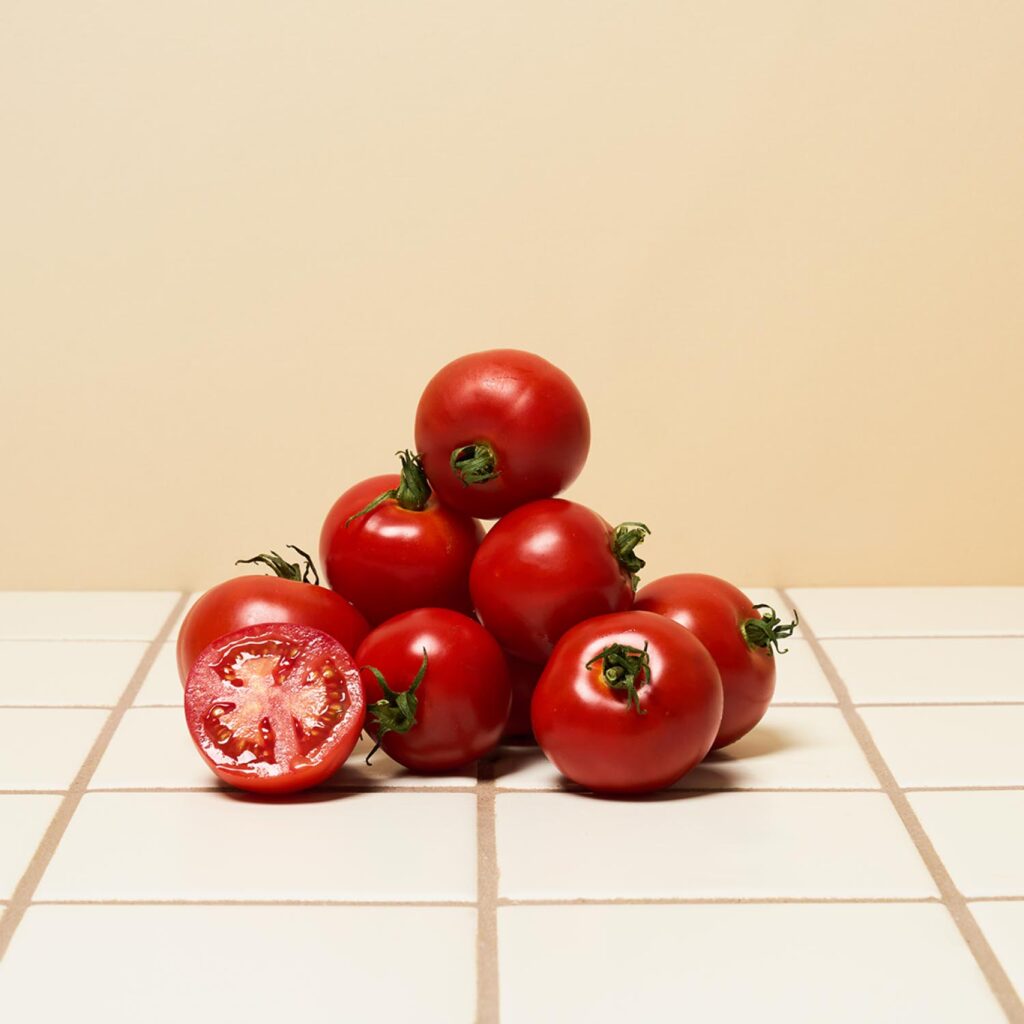
Not only is dry farming one of the more sustainable farming methods, it also happens to produce some of the best-tasting produce around. Dry farmed tomatoes, for example, are known to be smaller and sweeter. “I first learned about dry farming when our grower Del Cabo offered it up this year, and digging into the process blew me away,” says Misfits Market produce buyer Antonio Wothe. “In a time when water is so scarce, seeing a growing method that respects the earth while producing incredible flavor makes me very optimistic for the future of farming. We started with Early Girls, but now I’m on a full on hunt to bring in more dry farmed crops beyond tomatoes!”
Drought-resistant crops that have deep, extensive root systems and thicker, waxy leaves that reduce evaporation are good candidates for dry farming. Wine growers have utilized grape dry farming techniques, and vegetables from the cucurbits family (squash, cucumbers, and melons), as well as corn, beans, and potatoes all do well in low-water environments.
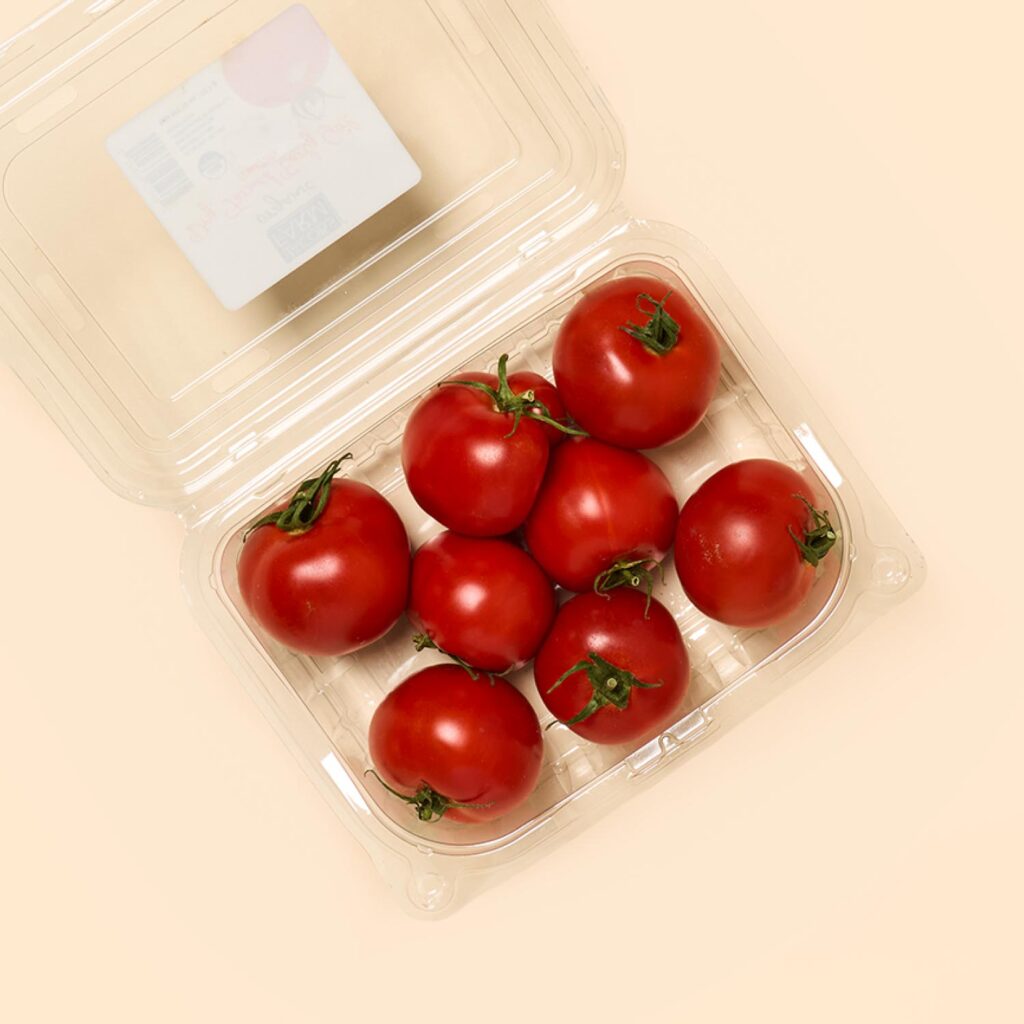
Keep an eye out for Early Girl tomatoes in the Misfits Market store and (hopefully!) many more dry-farmed vegetables to come.
Our role at Misfits Market
At Misfits Market, we believe the future of food is rooted in better flavor and lower environmental impacts. That’s why we partner with farms committed to sustainable practices, like Del Cabo, who grow dry-farmed tomatoes the old-fashioned way.
Because when we invest in alternatives to conventional agriculture, we’re not just growing food. We’re building a better food system, one field at a time.
Keep reading: What is Regenerative Farming?